December 4, 2025

In der Metallgieß- und -schmelzindustrie haben die Energiekosten bei den Betriebsausgaben eine hohe Priorität.Viele Anlagenbetreiber sind sich nicht bewusst, dass ihre mittelfrequenten Schmelzofen möglicherweise "leise" eine erhebliche Menge an Strom verschwendenEin Ofen mit der Bezeichnung "energiesparend" kann bei unsachgemäßer Bedienung tatsächlich mehr Energie verbrauchen als ältere Geräte.Es ist entscheidend, echte Energieeinspartechniken zu beherrschen..
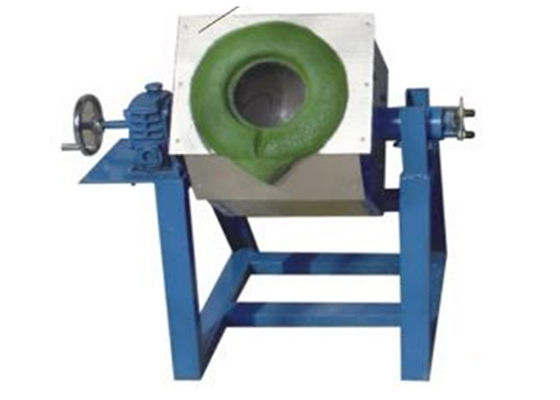
Genauer gesagt,Der Kern eines energiesparenden Mittelfrequenzschmelzofens besteht darin, elektrische Energie effizient in Wärmeenergie umzuwandeln und Verluste während des Produktionsprozesses zu minimieren.In einem Fall-Audit von 2025 entdeckte unser Team, dass eine Gießerei eine langfristige Energieverringerung von über 15% erzielte, indem sie einfach die Ofenverkleidungsdicke optimierte.Dieses Beispiel zeigt deutlich, daß Energieeinsparungen ein systematisches Projekt sind..
Vergleich der wichtigsten Technologien für energiesparende Mittelfrequenzschmelzofen
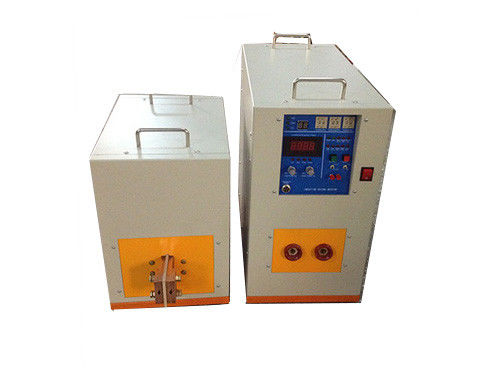
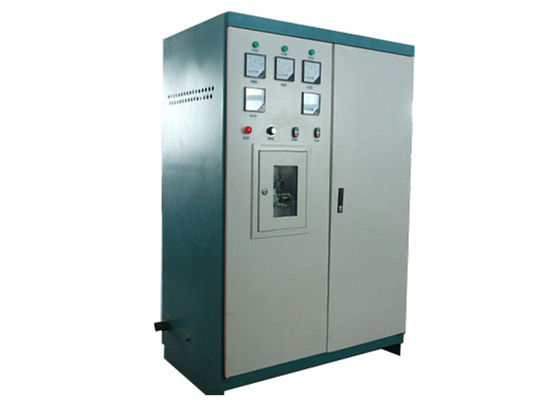
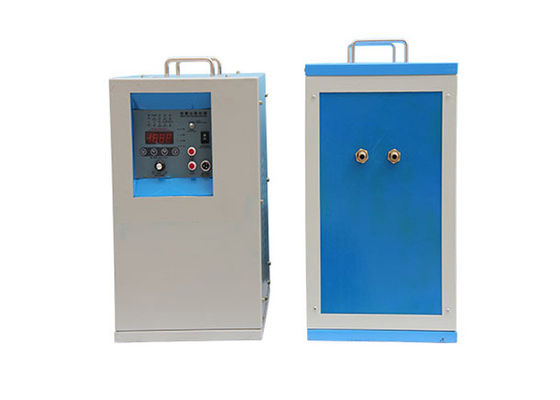
Eine wirkliche Energieeinsparung besteht in der Synergie mehrerer Komponenten, z. B. bei der Wahl des Stromversorgungstyps.
Es ist jedoch erwähnenswert, dass nicht alle IGBT-Stromversorgungen gleich sind. Ihr Design, ihre Kühlmethode und ihre Steuerungslogik beeinflussen direkt das endgültige Energieeinsparungsergebnis.
5-Stufen-Betriebsleitfaden für erstaunliche Energieeinsparungen
Wenn Sie die Effizienz Ihres Schmelzofens sofort verbessern möchten, befolgen Sie diese spezifische Schritt-für-Schritt-Anleitung:
Warnung: Ein weit verbreitetes Missverständnis ist, blind nach "schnell schmelzender" Produkte zu streben.Übermäßiger Betrieb mit übermäßiger Leistung beschleunigt die Erosion der Auskleidung, was zu einer erhöhten Wartungsfrequenz führt.Die Voraussetzung für Energieeinsparungen ist Stabilität und Nachhaltigkeit.
Vertiefte Strategien zur Verbesserung der Schmelzeffizienz
Neben der Bedienung bestimmen die Auswahl der Geräte selbst und die Prozessgestaltung die Energieeinsparungsobergrenze.wie die Wicklungsmethode und die Anordnung des KühlkanalsNach Angaben der Industriebewertungszentren des US-EnergieministeriumsEin optimiertes Induktionsspulen-System allein kann die Energieeffizienz um 3-8% verbessern..
Wenn Sie also in einen neuen energiesparenden Mittelfrequenzschmelzofen investieren möchten, müssen Sie ihn als eine integrierte Lösung betrachten, die Stromversorgung, Ofenkörper, Kühlsystem,und automatisierte KontrollenDie Sprache ist Englisch, aber die Grundsätze sind universell: höhere Effizienz der Umwandlung von elektrischer zu thermischer Energie, weniger Verschwendung von Arbeit.
Nachhaltigkeitscheckliste für Energieeinsparungseffekte
Nach der Anwendung der oben genannten Lösungen sollten Sie diese Checkliste verwenden, um sicherzustellen, dass Ihr energiesparender Mittelfrequenzschmelzofen weiterhin effizient arbeitet:
Um das Potenzial eines energiesparenden Mittelfrequenzschmelzofens zu erschließen, bedarf es einer Kombination aus Technologie, Management und Wartung.Es ist eine Transformation in Richtung raffinierter Operationen.Durch die Einführung dieser Geheimnisse und Strategien auf Expertenniveau können Sie die Energiekosten möglicherweise auf einem erstaunlich niedrigen Niveau kontrollieren und sich damit einen wichtigen Vorteil im harten Marktwettbewerb verschaffen.
F1: Die Anfangsinvestition für einen energiesparenden Mittelfrequenzschmelzofen ist höher. A1:Dies hängt von Ihrem Produktionsumfang und dem Strompreis ab.die Rückzahlungsfrist der Investition kann innerhalb von 1-3 Jahren erreicht werdenAuf lange Sicht übersteigen die eingespannten Stromkosten die ursprüngliche Preisdifferenz weit.
F2: Gibt es außer Stromsparen noch andere Vorteile für einen energiesparenden Mittelfrequenzschmelzofen? A2:Sie sind in der Regel mit präziseren Steuerungssystemen ausgestattet, was zu gleichmäßigen und kontrollierbaren Schmelztemperaturen führt, was die Qualität des geschmolzenen Metalls und die Konsistenz des Produkts verbessert.Zusätzlich, der hohe Leistungsfaktor reduziert die Netzbelastung und die Strafenrisiken, und das Arbeitsumfeld ist leiser.
F3: Wie kann ich feststellen, ob mein vorhandener Mittelfrequenz-Ofen noch Raum für energieeinsparende Upgrades hat? A3:Konzentrieren Sie sich darauf, mehrere Aspekte zu überprüfen: den Typ der Stromversorgung (ist es ein Thyristor im alten Stil?), ob die Kondensatorbank altert, ob die Ofenverkleidungsdicke angemessen ist,und die Effizienz des KühlsystemsDie Modernisierung der alten Stromversorgung oder die Optimierung des Auskleidungsprozesses sind oft kostengünstige Renovierungsmethoden.
F4: Haben Energieeinsparöfen mit mittlerer Frequenz besondere Anforderungen an Kühlwasser? A4:Um den stabilen Betrieb effizienter Komponenten wie IGBT zu gewährleisten, muss die Wasserqualität sauber sein (frei von Verunreinigungen, geringe Härte),Wassertemperatur stabil (typischerweise Einlasstemperatur < 35°C)Es wird empfohlen, einen geschlossenen Kühlturm oder eine Kühlvorrichtung zu installieren, um hochwertiges Kühlwasser bereitzustellen.
F5: Ist eine "One-Drag-Two"-Konfiguration (eine Stromversorgung mit zwei Ofenkörpern) energieeffizienter? A5:In einem gut organisierten kontinuierlichen Produktionsmodus kann "One-Drag-Two" deutlich energieeffizienter sein.oder warm gehalten, um die Stromversorgung in einem effizienten Betriebszustand zu halten und Standby-Verluste zu vermeiden.